


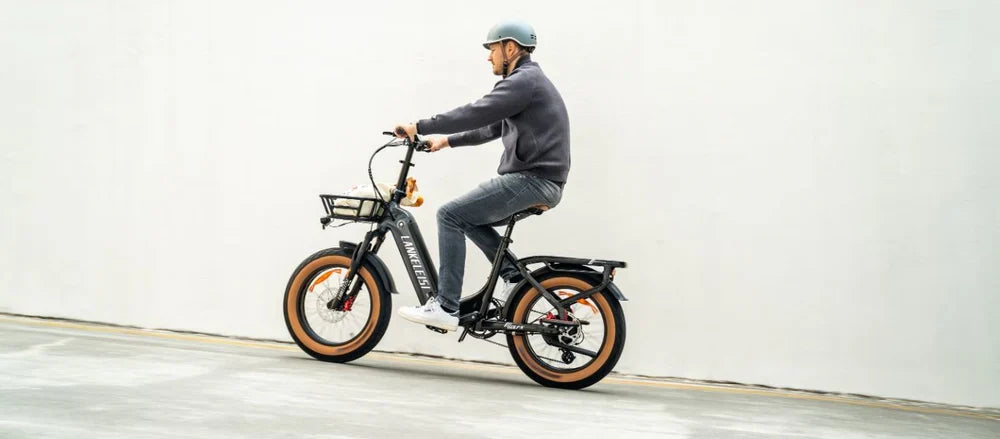
Her electric bicycle It takes you everywhere, but have you ever thanked it with proper maintenance? Here's how to care for your bike so it stays in top condition season after season.
Why service your e-bike?
An e-bike is a sound investment and an indispensable companion for tackling powerful and agile trails. However, the electronic components require regular maintenance to ensure longevity and efficiency. Neglecting maintenance can significantly shorten the lifespan of the battery and motor – two key components that determine your e-bike's range and performance.
Whether you are a casual driver or an off-road enthusiast, adopting the right maintenance habits can maximize your driving enjoyment while protecting your equipment.
Learn how to protect your electric bike from the effects of time, impacts, and premature wear and tear, so you can enjoy more reliable and longer adventures.

Basic cleaning guidelines
When cleaning your e-bike, using the correct method to protect the electronic components is crucial. Incorrect cleaning can damage the battery, motor, and sensors, thus affecting the bike's range, performance, and reliability.
Before starting, remove the battery and ensure the power is switched off. This simple precaution prevents water from entering the system and protects the connections from oxidation. Avoid using a pressure washer, as the powerful jet can force moisture into the motor or cables, causing irreversible damage.
Once your e-bike is secured, focus on degreasing the drivetrain ( chain , cassette, derailleur), which is essential for removing dirt and abrasive residue that accelerates wear.
Next, clean the frame and components with a gentle, non-corrosive cleaner specifically designed for bicycles to avoid damaging the surfaces and materials.
Finally, rinse with warm water to prevent limescale stains, and then carefully dry each component with a microfiber cloth. Pay particular attention to hidden areas such as electrical connections.
Battery maintenance
To Electric bicycle battery It's more than just an energy storage device – it's a strategic component that directly impacts your driving experience. Range and lifespan depend on proper maintenance, intelligent charging, suitable storage, and active monitoring. Following these steps will help you avoid costly repairs and enjoy reliable power – even over hundreds of kilometers.
Proper battery charging
Avoid fully discharging the battery to 0% or leaving it at 100% for extended periods. This can stress the battery and reduce its long-term capacity. To maintain the battery's chemical health, partial charging is recommended – ideally between 20% and 80%.
Best storage practices
If you are not going to use your e-bike for several weeks, for example during the winter, you should not store it with a fully charged or completely empty battery. A charge level between 40% and 60% is ideal to minimize battery performance.
Store the battery in a dry, mild environment (between 10°C and 20°C), away from direct sunlight, radiators, or uninsulated garages. Repeated exposure to temperatures below 0°C or above 30°C can cause irreversible damage.
👉 For LANKELEISI e-mountain bikes with 48V lithium batteries, it is recommended not to let the charge level drop below 20% to extend the lifespan of the cells. Also, be sure to recharge the battery every two months if it is not used during the winter.
Handling and monitoring
A well-maintained battery requires regular inspections. Check the metal terminals for corrosion, dust, or dirt. If necessary, gently wipe them with a dry cloth or soft brush. Also, pay attention to the battery's appearance – swelling, cracks, or fluid leakage are warning signs that the battery needs immediate replacement.
It is recommended to check the remaining battery life and discharge rate before each ride. A sudden drop in performance may indicate an unbalanced or prematurely aging battery that requires calibration or professional maintenance.
Powertrain maintenance
The drivetrain is primarily responsible for transmitting power from the engine to the Rear wheels , and their condition determine smooth running, quiet operation, and overall efficiency. A poorly maintained chain, a worn cassette, or a dirty derailleur can shorten battery life, cause unnecessary noise, or even lead to the chain derailing when climbing hills. To avoid these problems, regular and proper maintenance is essential.
Regular degreasing to remove dirt
Dirt, sand, and greasy residue can act as abrasives and accelerate wear on chain links and cassette teeth. Use a biodegradable degreaser, which is gentler on the environment and components. Apply the product with a chain brush or cloth.
Pay particular attention to critical areas such as derailleur pulleys and chain rollers. Rinse them with clean water and dry them thoroughly to prevent rust.
Terrain-appropriate lubrication
Choosing the right lubricant is crucial. In dry and dusty environments, use a dry, wax- or Teflon-based lubricant, which attracts less dirt. Wet lubricants, on the other hand, are better suited to rainy or muddy terrain due to their higher resistance to being washed out.
Apply the lubricant to the running chain and wipe off any excess to prevent dust buildup. Clean and re-lubricate the drivetrain after every ride in mud to remove abrasive particles.
Wear monitoring
An excessively worn chain can damage the cassette and chainrings, leading to higher repair costs. Measure the chain elongation with a chain wear indicator. If the reading exceeds 0.75%, the chain must be replaced immediately.
Also check the teeth of the cassette and chainring. Asymmetrical, sharp, or bent teeth indicate significant wear and should be replaced. A damaged freehub reduces shifting accuracy and increases the risk of chain drops.
By incorporating these tasks into your regular maintenance routine, you will extend the life of your powertrain, save energy and ensure a smooth ride – even on the most technically demanding terrain.

Engine maintenance
The motor of an e-bike converts battery energy into pedaling power. Its flawless operation is crucial for stable performance and preventing sudden failures. Unlike mechanical parts, these components require special attention, including careful cleaning and active monitoring for warning signs.
Cleaning sensors and connections
Sensors (cadence, torque, speed) and electrical connections are sensitive to dust, moisture, and electrostatic discharge. Gently wipe these areas with a dry, antistatic cloth after each ride. Avoid using liquid products or wet wipes, as these can cause short circuits.
Pay particular attention to cables and plugs, ensuring they are properly connected and free from corrosion. If necessary, use a contact cleaner to improve conductivity. However, always follow the manufacturer's recommendations.
Regular inspection
Unexplained power outages, unusual noises, or abnormal vibrations are signs that should not be ignored. They could indicate motor imbalance, bearing damage, or firmware problems. Also, visually inspect the motor for cracks, impact marks, or signs of water ingress.
If in doubt, contact a YOU ARRIVE Professional advice: Mid-mounted engines are complex systems whose disassembly often requires special tools. Attempting repairs yourself can void the warranty or worsen the damage.

General inspection of mechanical parts
With your e-bike, the balance between electronic and mechanical components is crucial. Regular checks of important parts such as brakes, suspension, and tires are essential to ensure safety, comfort, and performance – especially on rough terrain where every detail counts.
Brake pads for electric bicycles
Brake failure can endanger your safety. Regularly check the wear of your brakes. Brake pads : If the thickness of the brake pads is less than 1.5 mm, they must be replaced immediately.
Also inspect the brake disc for deep scratches or deformations that indicate a loss of effectiveness.
For cable brakes, adjust the tension to avoid excessive lever travel. For hydraulic brakes, check the fluid level and bleed the system if the lever feels spongy.
Tires for electric bicycles
The correct tire pressure, depending on the surface, improves traction and reduces the risk of punctures. Choose 2 to 2.5 bar for hard surfaces and 1.5 to 2 bar for soft surfaces.
Check tubeless tires for sealant leaks every 3 months. If you have a Inspect the inner tube after a flat tire to prevent a recurrence caused by a foreign object stuck in the tire.
Maintenance frequency and schedule
Regular and scheduled maintenance is essential to avoid unexpected breakdowns and extend the lifespan of your equipment. electric mountain bike . By adjusting maintenance intervals according to usage intensity and riding conditions, you can maintain optimal performance while reducing repair costs in the long run.
Maintenance after the ride
After riding off-road or in mud, take 10 to 15 minutes for a quick cleaning. Wipe the frame and components with a damp cloth to remove abrasive dirt, and then lubricate the chain if necessary. Also, check the tire pressure and tighten any loose screws (e.g., on the saddle or frame). These simple steps will prevent dirt buildup and premature wear.
Monthly/quarterly inspections
Perform a thorough inspection every 1 to 3 months, depending on how often you drive:
Brakes: Check the thickness of the brake pads, the alignment of the brake disc, and the level of the hydraulic fluid.
Drivetrain: Check the chain for wear and inspect the cassette and gears.
Tires: Check for tread wear and sidewall integrity (cuts, cracks).
Electronics: Ensure that the sensors are functioning properly and that the connections are clean and dry.
5 common mistakes to avoid
Even with the best intentions, certain maintenance errors can shorten the lifespan of your e-bike or impair its performance. Here are the most common mistakes you should avoid:
Washing the e-MTB with a pressure washer
Why it's a mistake:
High-pressure water can force moisture into electrical components, bearings, or the motor. This promotes corrosion and can damage internal circuits.
What should be done instead:
Use a soft cloth, a sponge, and a bucket of soapy water. Rinse gently with a light stream of water, avoiding sensitive areas.
Lubricating the chain without prior cleaning
Why it's a mistake:
Applying lubricant to a dirty chain creates an abrasive paste that causes premature wear of the drivetrain.
What should be done instead:
First, clean the chain with a suitable degreaser, dry it thoroughly, and then apply a thin layer of lubricant.
Leaving the battery connected for too long when it is full
Why it's a mistake:
Prolonged overcharging can lead to chemical degradation of the lithium cells and shorten the overall lifespan of the battery.
What should be done instead:
Disconnect the battery as soon as it is fully charged. If your LANKELEISI charger switches off automatically, that's a plus – however, you shouldn't leave the battery connected for unnecessarily long periods.
Forgot to check the screw tightness after off-road driving
Why it's a mistake:
Vibrations on uneven roads can cause components such as handlebars, pedals, or luggage racks to come loose. This can lead to accidents.
What should be done instead:
After each ride, use an Allen key to check and tighten the most important points: stem, crankset, battery holder, etc.
Storing the bicycle in a damp or poorly ventilated place
Why it's a mistake:
Moisture damages metal parts (rust) and can impair electronic circuits.
What should be done instead:
Store your e-MTB in a dry place at room temperature, ideally protected from extreme temperature fluctuations (ventilated garage, dry basement or indoors).
Conclusion
By following these simple but important tips, you will extend the lifespan of your electric mountain bike and can ride with confidence.
✅ Do you use a LANKELEISI? You can find our individual tips for each model in our blog.
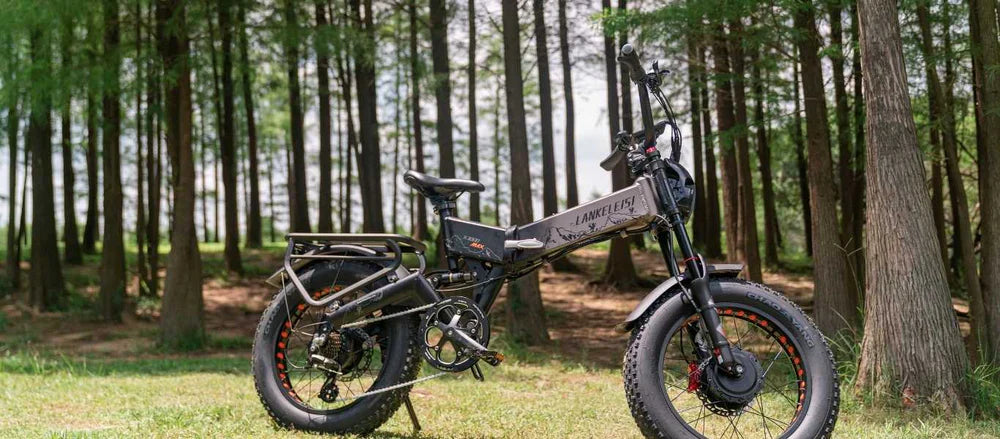


Leave a comment
All comments are moderated before being published.
This site is protected by hCaptcha and the hCaptcha Privacy Policy and Terms of Service apply.